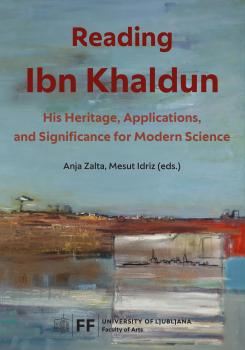
Reading Ibn Khaldun
Kratka vsebina
Reading Ibn Khaldun: His Heritage, Applications, and Significance for Modern Science is an interdisciplinary edited volume that reassesses the intellectual heritage of Ibn Khaldūn (1332–1406) and demonstrates the enduring significance of his thought for contemporary scholarship. The volume explores Ibn Khaldūn’s intellectual legacy across a wide range of themes, including civilization, social cohesion, political authority, economics, taxation, education, epistemology, social capital, cultural transformation, gender relations, and governance. Collectively, the volume makes a significant scholarly contribution by showing that the Muqaddimah remains a living intellectual resource rather than solely a classical historical text. By bringing Khaldunian thought into dialogue with contemporary questions of governance, economic development, social cohesion, education, cultural change, diversity, and gender, the book underscores the continuing relevance and universality of Ibn Khaldūn’s intellectual achievement. It therefore contributes both to the study of Islamic intellectual and scientific heritage and to broader efforts to reconsider the historical foundations of modern social thought from a more inclusive and globally oriented perspective.
Poglavja
-
Introduction
-
From Plato to Ibn KhaldūnTracing the Idea of “Man is Madani by Nature” Across Greek Philosophy and Islamic Thought
-
The Rise and Decline of CivilizationA Critical Analysis of Ibn Khaldun’s Theory
-
Ibn KhaldunA Pioneer of Economic Thought and Its Relevance Today
-
From Cohesion to ControlThe Dynamics of ʿAṣabiyya in Ibn Khaldūn’s Theory of Leadership, Control and Order
-
Solidarity (ʿAṣabiyyah), Luxury (Taraf), and Subjugation (al-Ummah al-Maghlūbah)A Khaldūnian Interpretation of Nasrid Granada
-
The Formulation of Taxes in the Thought of Ibn Khaldun
-
Reading the MuqaddimaThe Paradox of the Sixth Prolegomenon
-
Ibn Khaldun’s Theory of ‘Asabiyyah and Social Capital
-
Ibn Khaldun and American Social ThoughtThe Dialectic of Reception and Intersection
-
Bedouin and Urban Civilization in the Thought of Ibn KhaldunPolarity or Complementarity
-
Intellectual Education in Ibn KhaldunA Psychological-Educational Approach
-
Ministry of Tolerance in the UAEA Practical Application of Ibn Khaldun’s Vision in Managing Diversity and Social Integration
-
The Reception of Ibn Khaldun’s Work in Journals in BiH
-
Khaldunian Applications in Applied SociologyA Contemporary Reading in Light of the Emirati Experience
-
Ibn Khaldūn’s ʿAṣabiyyah and Gender Relations in a Nomadic SocietyThe Case of SADR
Downloads
Prenosi
Najavljeno
Kategorije
Licenca

To delo je licencirano pod Creative Commons Priznanje avtorstva-Deljenje pod enakimi pogoji 4.0 mednarodno licenco.